Lighting Updates - 2026 - 5 - May

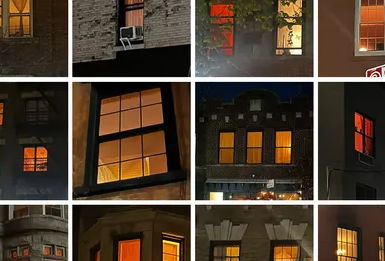 |
NYC Apartment Trend Toward Orange and Red LightingA
recent piece in New York Magazine highlights a growing
trend in New York City apartments toward warm-toned
lighting—orange, amber, and soft reds—driven by aesthetic
preferences, mood-setting goals, and the versatility
offered by modern smart LED systems. LEARN MORE |
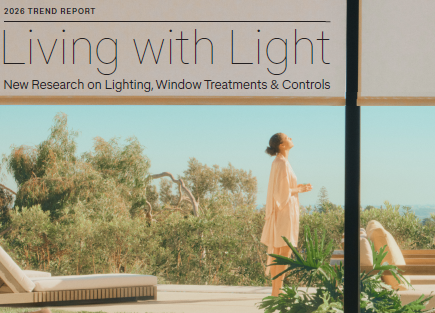 |
Luxury Residential 2026 Trend ReportLutron Electronics has released its Luxury Residential 2026 Trend Report: Living with Light, providing an in-depth look at emerging trends in residential lighting, automated shades, and controls. Informed by custom surveys from The Harris Poll driven by insights from high-net-worth homeowners and residential designers and architects, as well as Lutron sales and product data, the report highlights how lighting, shading, and controls are now central to both the aesthetic and emotional experience of a home. LEARN MORE |
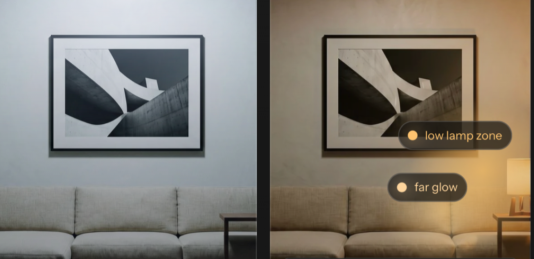 |
“Big Light” Backlash Is Really A Light Distribution ProblemIn
practical terms, many homes now have what I would call Big
Light Dependency: the room relies on one overhead source for
visibility, atmosphere, and task support. That creates three
predictable problems. LEARN MORE
|
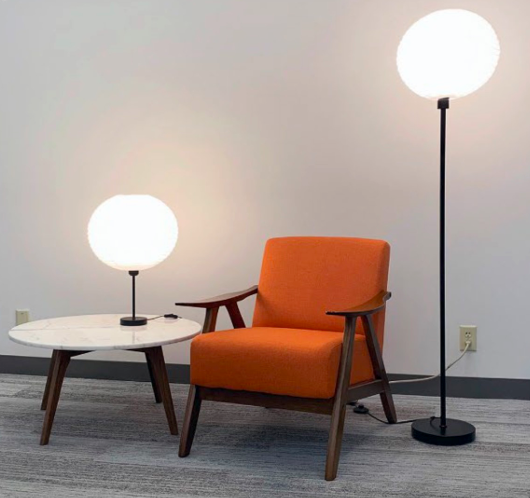 |
Study: Supplemental Ambient Lighting Intervention to Improve SleepA recent study concluded that passive and easily administered lighting interventions for improving sleep in Parkinson's Disease (PD) patients hold promise as a treatment for mitigating symptoms and improving quality of life in PD. The lighting intervention was delivered for 2 hours every morning over a 4-week period via custom-configured table and floor lamps at home. The table and floor lamps were positioned to ensure a light level of 400lx reached participants’ eyes, which was equivalent to a circadian stimulus CS > 0.3 at the study’s criterion distance of 46 cm. Lamps were fitted with a single A23 LED bulb emitting 3,200lm of 3,000K warm white light and programmed to automatically turn on at times preferred by the participant, but no later than 9:00AM. Results show that sleep duration increased significantly by 28.5min and objective sleep time increased significantly by 19.9min. LEARN MORE |